Kenyan dairy farms: Napier grass and feed records
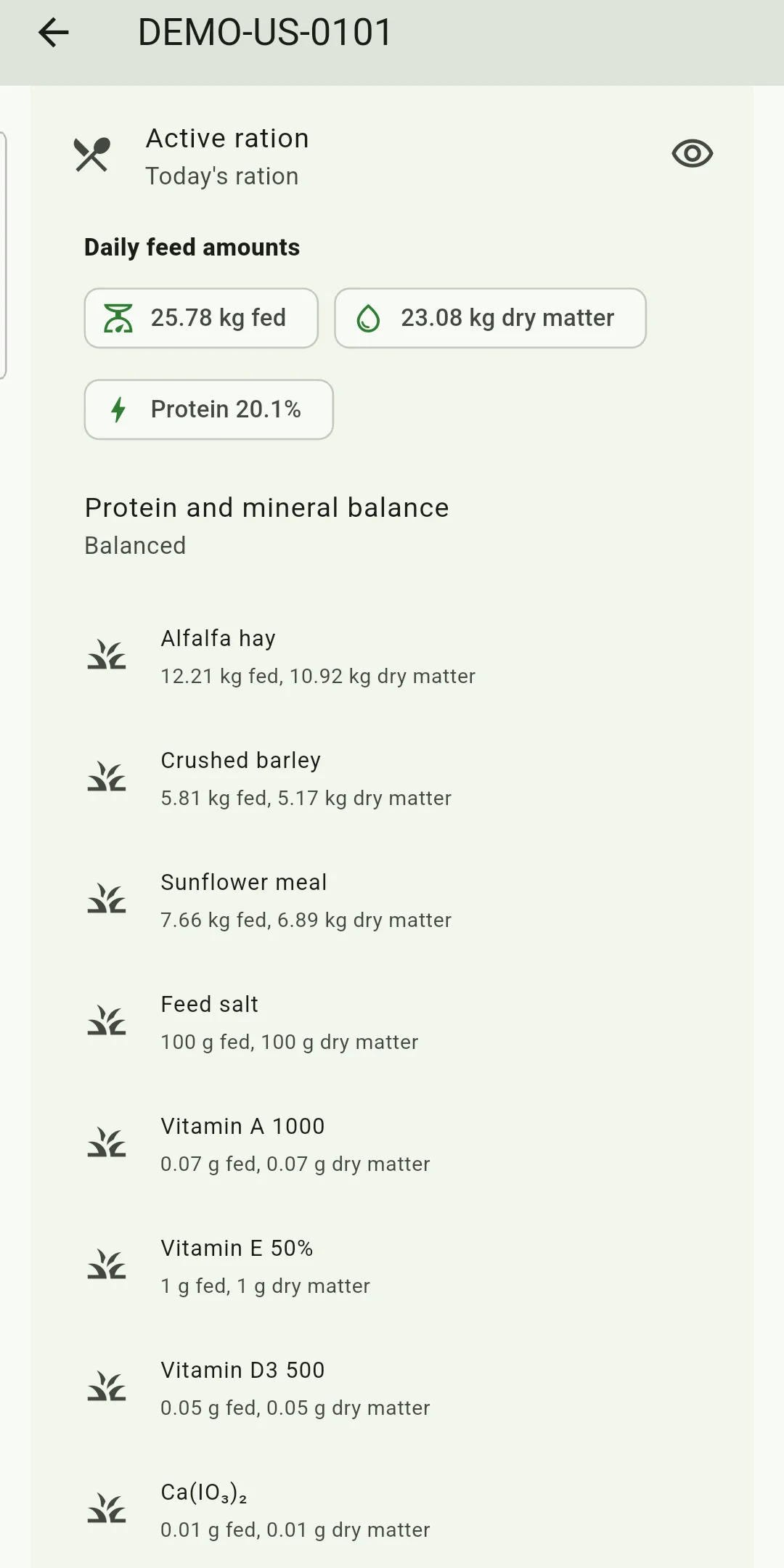
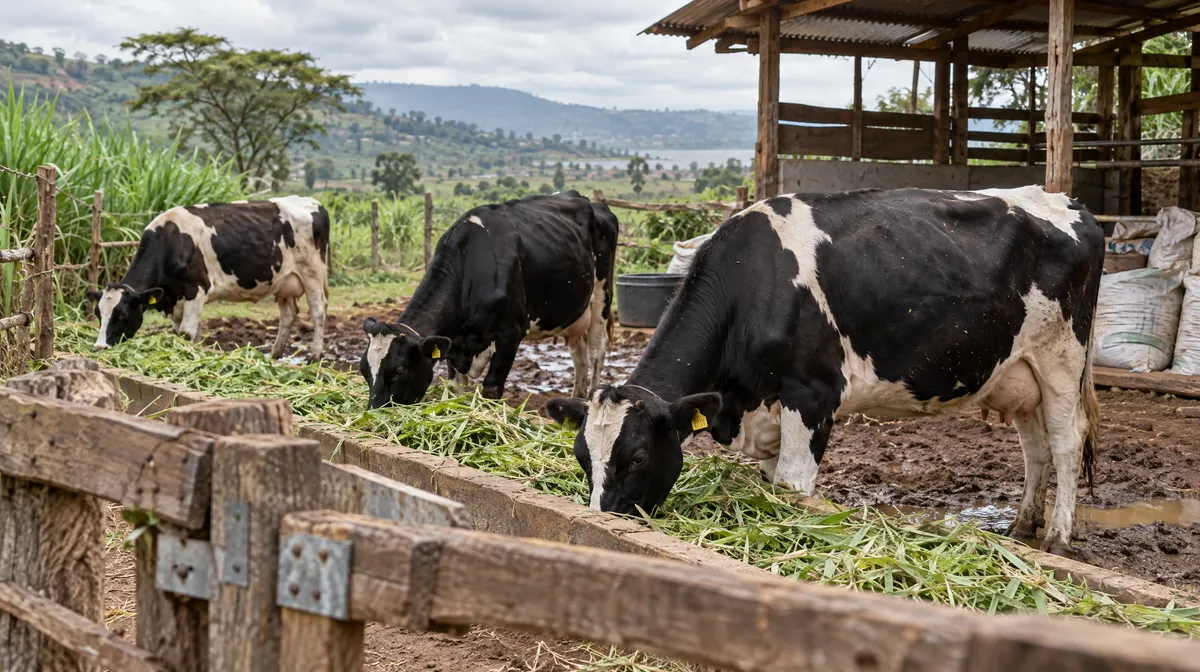
On Kenyan dairy and smallholder farms, daily feeding usually starts with freshly cut Napier grass, topped up with maize stover and bought dairy meal. A useful ration record shows the real kilograms and the group fed. HerdMobile brings fodder stock, animal events, ration plans and expenses together on a phone that works where the signal is poor.
Compiled from open-access scientific sources.
Reference values and basis
| Parameter and basis | Value |
|---|---|
| Napier grass | kg fresh-cut grass, as fed |
| Maize stover | kg crop residue, as fed |
| Dairy meal | kg purchased feed, as delivered |
What should the worker write down after cutting Napier?
Cut-and-carry feeding gives you a daily chance to record real quantities. Write down the day, the weight of freshly cut Napier grass and the animals or group that got it. Keep the grass separate from maize stover and from bags of bought dairy meal. Fresh grass is full of water, so mark its weight as fed, not as dry matter. If you share a scale with neighbours, say clearly when the day's amount was estimated from bundles or a cart. Using the same method each day makes the next weighed check far more useful. Note which plot the grass came from when it matters for cutting dates or for how much is left to cut. At the end of the day, your stock record should match the fodder actually used, giving you a solid starting point for tomorrow's feeding.
How can smallholder farms keep bought feed under control?
A sack of dairy meal has a price, a product name and a real weight. Record all three with the delivery date, and keep the receipt or supplier in the note. If you grow some maize stover yourself, mark it as home-grown instead of entering a made-up purchase in the cashbook. Compare your current stock with what you feed each day to milking cows, heifers and calves; when animals change groups, update the totals first. Feed still on its way should stay as a plan until it reaches the shed. At the weekly stock check, look for missing entries, purchases entered twice and gaps between the sacks counted and the kilograms recorded. Feed spending is then easy to compare week by week, even when the number of animals in each group changes.
How do herd records improve your feeding routine?
Give each animal one ear tag number and record calvings, treatments, vaccinations and sales in its own history. When a calf leaves the milking group or a cow joins it after calving, record the group change on that date. Your feed comparisons then rest on the number of animals actually fed. A short note when fresh grass runs short or a new feed comes in links what you saw in the animals with what they were eating. In the weekly review, check that stock, animal records and farm expenses tell the same story. HerdMobile keeps its records on the Android phone, which suits farms where the signal comes and goes between field and shed. Regular backups protect your records when you change or replace a phone.
Questions from the farm
How do I record fresh Napier?
Enter the weighed kilograms of freshly cut grass, the date and the group fed, and mark estimates as estimates.
How do I compare dairy meal bought in different bag sizes?
Enter the real kilograms received for each lot and match the cost to that same delivery.
Can I keep calf and dairy cow records next to feed notes?
Yes. HerdMobile keeps animal records, feed stock and farm accounts together on your Android phone.
How HerdMobile helps
Bring your animals, feed stocks and farm accounts together on your Android phone. HerdMobile keeps your daily work moving offline: record events, compare feed quantities and follow sales and payments in one place. Use your own feeds and herd information to prepare a ration, then keep a backup file under your control.
HerdMobile helps Kenyan cattle keepers organize daily Napier cutting, feed stock, ration plans, animal histories and farm payments in one offline Android app. Everything is right there beside the milking shed or fodder store.