Pakistan cattle feeding: berseem, straw and stock
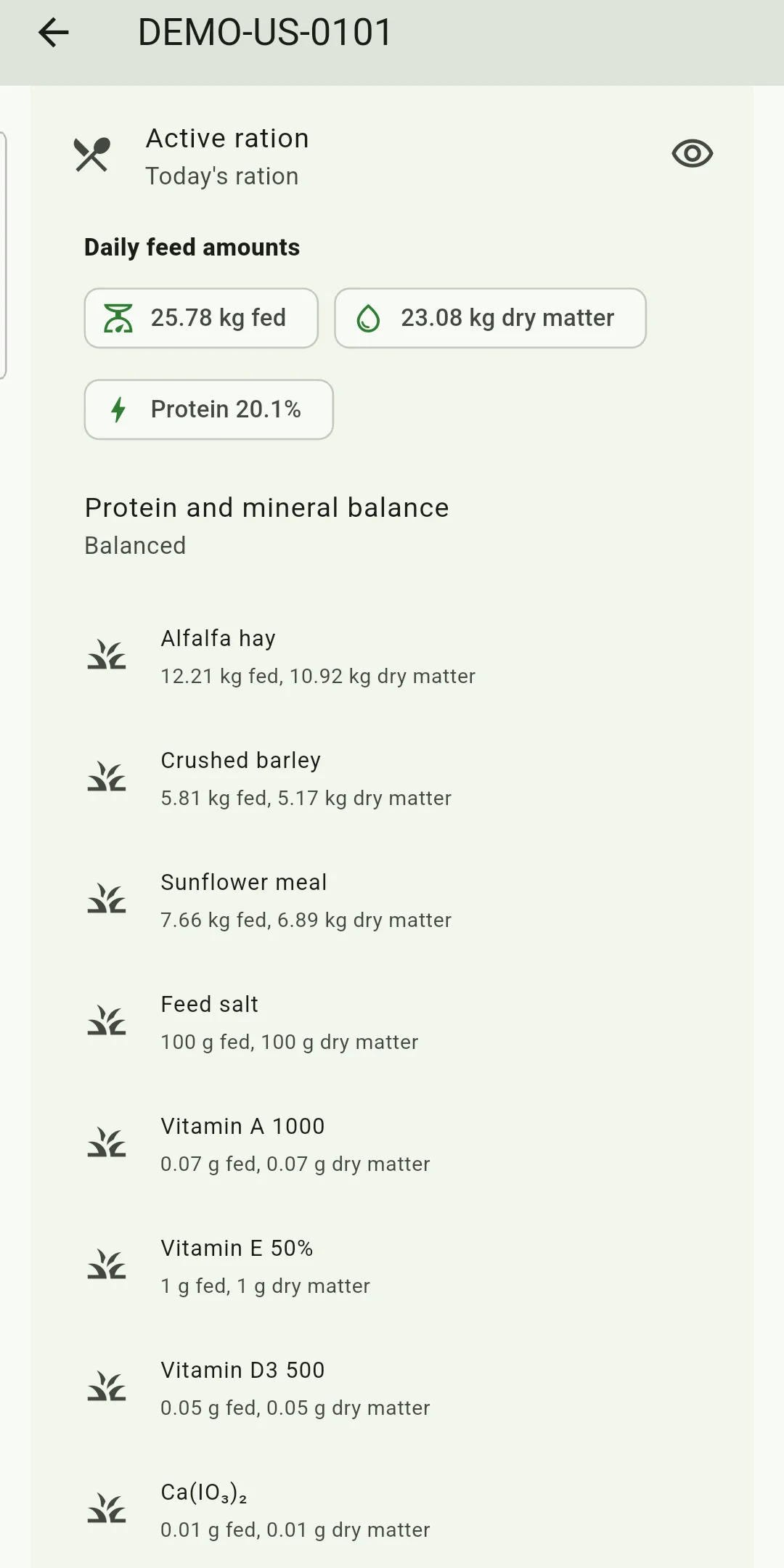
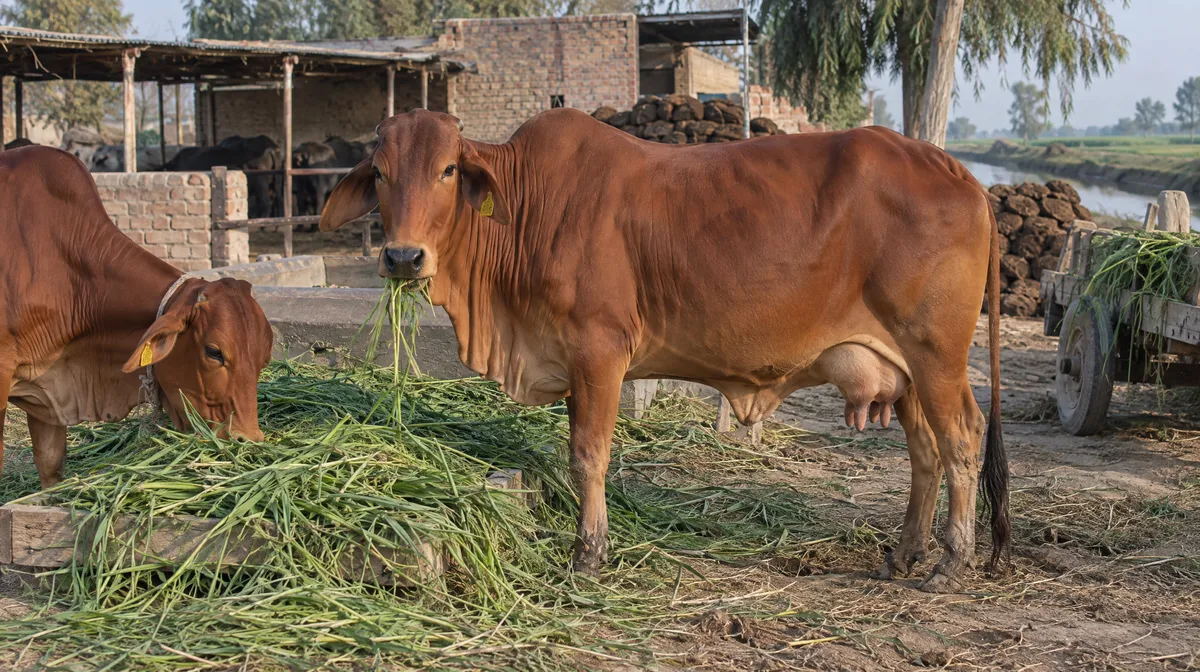
Cattle feeding in Pakistan often means fresh green fodder such as berseem, dry wheat straw and a bought concentrate in the same feeding round. Record each feed separately, in kilograms, before you plan the mix. HerdMobile puts those amounts next to your herd events, feed purchases and cash records, and it works where the mobile signal is patchy.
Compiled from open-access scientific sources.
Reference values and basis
| Parameter and basis | Value |
|---|---|
| Berseem fodder — unit and basis | kg fresh green fodder, as fed |
| Wheat straw — unit and basis | kg dry straw, as fed |
| Cottonseed cake — unit and basis | kg purchased cake, as fed |
What should you write down at the trough?
Use the names you actually call your feeds. Fresh berseem is not wheat straw, and neither is a bag of bought concentrate. Write down how much of each feed went to the animals that day and which group got it. A fresh-weight figure for green fodder includes all the water in the plant, so keep it apart from the dry-matter amount; animals live on dry matter, not water. If chopped fodder comes from more than one field, note the field when it changes quality or cost. Steady feed names and units are worth more than a long, uneven list of entries that just say 'fodder'. When the season turns, you see what was really fed instead of piecing it together from memory.
How can a small mixed herd keep feed spending in check?
A milking buffalo, a growing calf and a cow in milk each need their own feed total for their group. Keep each animal's ID and group clear, then check the feed given to each group against the stock that is left. Write down the date and amount of every straw purchase, cottonseed cake delivery and concentrate bill. Sacks are not all the same size, so enter the weighed kilograms instead of counting bags as if they were equal. Some green fodder comes from your own land and some feed comes from the market; record the two separately so the cost of bought feed stays clear of what you grew yourself. A weekly check of feed given against feed left means the next purchase is never made in a rush. HerdMobile keeps those figures on the same phone as your farm income and spending.
Which daily animal records make your feed figures worth having?
Feed records tell you much more when the animal list is up to date. Give each animal one fixed ID and record calvings, treatments, vaccinations and sales on the right dates. When a cow or buffalo moves to another feeding group, write it down the same day. A sudden jump in feed use can then be checked against a change in herd size or in the number of animals in milk. Add a short note when a delivery is late or you switch to a substitute feed. Before the weekly feed count, look for animals entered twice and for missing entries. A record made in the shed, with or without a signal, is easier to trust than a guess entered long after the worker has gone home.
Questions from the farm
Can I record berseem and wheat straw as one feed?
No. Keep them separate, because fresh green fodder and dry straw differ in moisture and in the job they do in the ration; state the unit and basis clearly.
How do I record feed bought in bags?
Enter the weighed kilograms and the purchase date, and note the supplier or batch, so your stock stays right even when bag sizes differ.
Will HerdMobile work where there is no mobile signal?
Yes. Your animal and feed records stay on the phone, so you can enter the day's work in the shed or out in the field.
How HerdMobile helps
Bring your animals, feed stocks and farm accounts together on your Android phone. HerdMobile keeps your daily work moving offline: record events, compare feed quantities and follow sales and payments in one place. Use your own feeds and herd information to prepare a ration, then keep a backup file under your control.
With HerdMobile, livestock keepers in Pakistan keep their animals, fodder stock, rations and daily income and spending on one Android phone. Everything works without an internet connection.