Culling decisions: five checks before a cow leaves
Culling decisions are clearer when you compare five things: calving interval, milk yield, health, age and body condition. Shortlist cows that fall short in several areas while keeping productive animals in the herd. Write down why and when each animal leaves, so next year's decisions build on what you have learned.
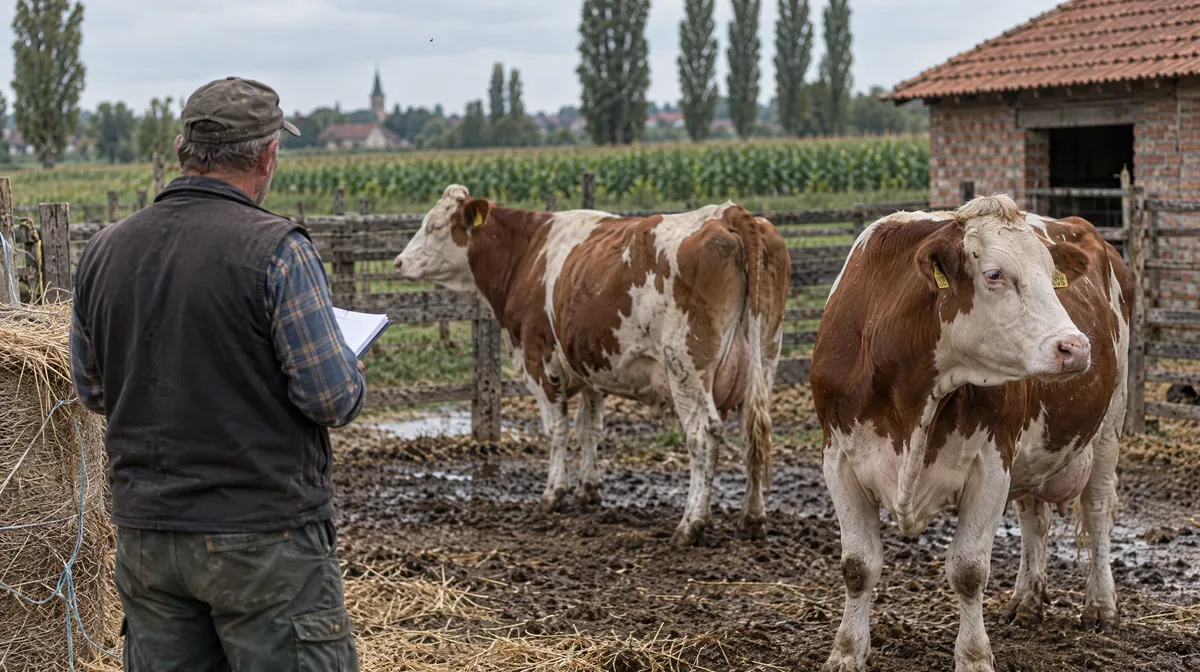
Compiled from open-access scientific sources.
Reference values and basis
| Parameter and basis | Value |
|---|---|
| Calving interval | Days between two calvings, checked against birth dates |
| Milk yield | Litres per day compared with the herd average |
| Health history | Number of treatments in the last 12 months |
| Age and lactation number | Check the animal's date of birth |
| Body condition | Latest score and any change |
| Reason for exit | Why the animal was sold or lost |
What should you check before culling a cow?
Check calving interval, daily milk yield, treatment history, age and body condition before deciding which cows should leave. Use calving dates to work out the interval, review milk production and count how often each cow has needed treatment. Check her birth date and lactation number, then add her latest body condition score. These five checks give the whole family a clear basis for discussion. A cow that looks well over the fence may have long gaps between calves and repeated health problems, while a less striking cow may be your most reliable producer.
How do you compare your cows?
Compare each cow with the rest of the herd on all five checks. Flag any area where she falls in the poorest quarter, such as the longest calving intervals or lowest milk yields. Keep watching a cow with one weak area; shortlist a cow with two or more. You can then explain the decision using the same simple rule for every animal. Adjust the cut-offs to suit your breed and production system, so the comparison reflects how your farm works.
Is a replacement ready?
Check which heifers are ready to join the milking herd. A good replacement makes selling easier; an empty place may make waiting cheaper.
Is selling timely?
Compare the likely sale price with the value of another lactation. Look back at earlier sales to see what similar animals actually fetched.
When should you review the herd?
Set a review day each quarter, ideally near the end of a lactation or at drying off. A regular date gives you time to think, even during busy weeks. Bring your cow comparisons, replacement plans and current milk and meat prices. Once you choose a leaving date, arrange the sale while the animal is in good condition and get the paperwork ready.
What should you note when an animal leaves?
For a sale, note the buyer, live weight, price and whether you have been paid. For a loss, note the cause. Give a clear reason for the animal leaving, such as fertility, milk, udder, feet or age. After a year, you can see which problems account for most departures and adjust your breeding plans. Your next herd review will use cut-offs informed by what has actually happened on your farm.
Questions from the farm
How many weak areas put a cow on the shortlist?
Two or more weak areas are a practical guide. With one weak area, watch the cow through her next lactation.
Is age alone a reason to cull?
Age is only one factor. An older cow with a short calving interval, steady milk and good health can still earn her keep.
How do I note the reason?
Add a note when the animal is sold or lost. Use consistent terms such as fertility, milk, udder, feet or age.
Does this work for sheep and goats?
Yes. Use lambing or kidding interval instead of calving interval, and keep the other checks.
How HerdMobile helps
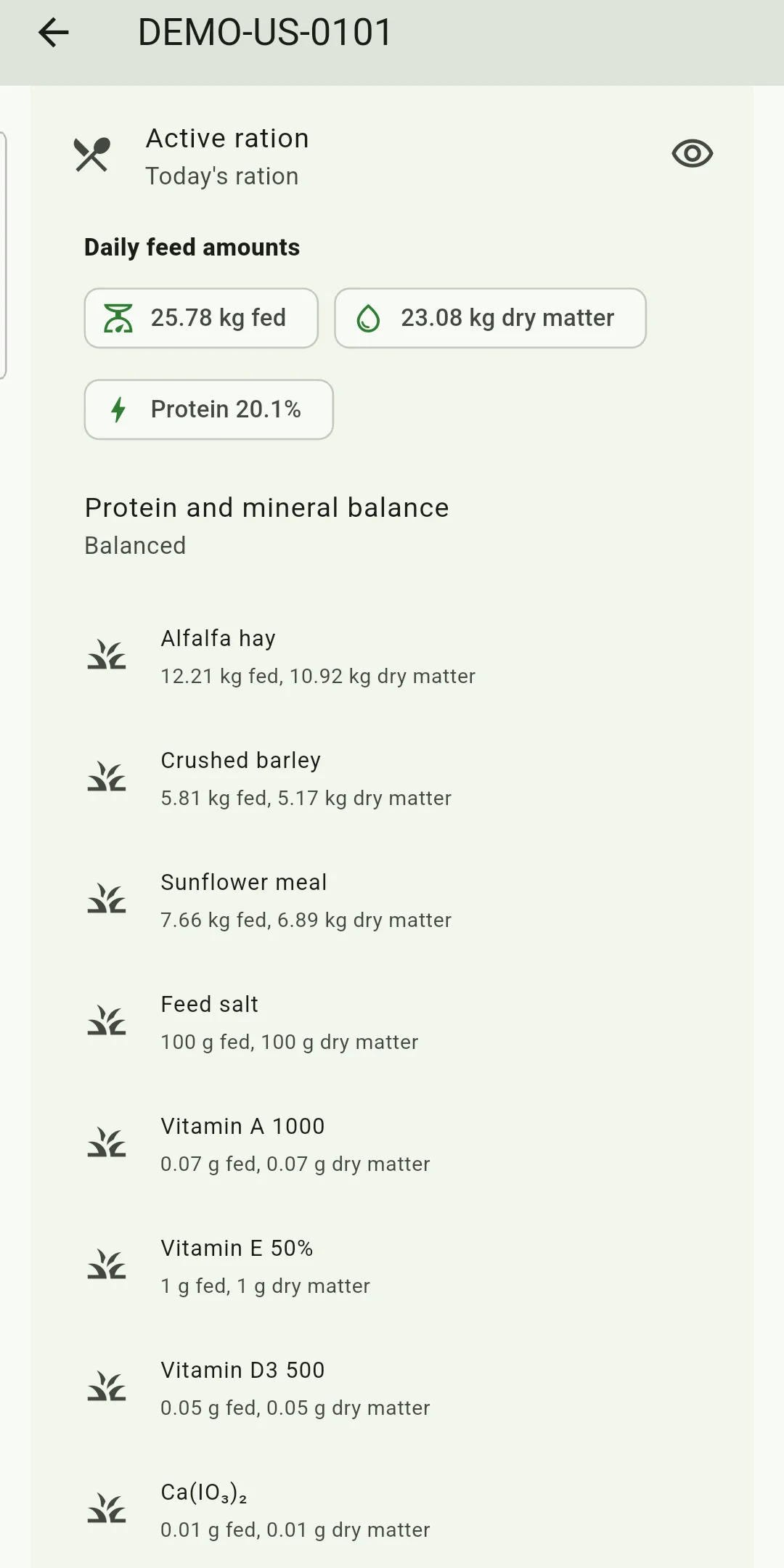
Bring your animals, feed stocks and farm accounts together on your Android phone. HerdMobile keeps your daily work moving offline: record events, compare feed quantities and follow sales and payments in one place. Use your own feeds and herd information to prepare a ration, then keep a backup file under your control.
HerdMobile helps you review each animal's births, health, treatments and milk before deciding which cows leave. Keep weight and body condition observations in your notes, then add the sale or loss date and reason to guide your next herd review.

Sources
Continue reading
- Milk sales and payments: track every delivery
- Unpaid farm sales: keep track of who owes you
- Farm record keeping: a routine you can keep up
- Body condition scores: always note the scale
- Calving preparation: a clear handover between shifts
- Breed profiles: milk fat and protein by breed
- Feed library: compare nutrients and dry matter