Unpaid farm sales: keep track of who owes you
A receivable is money owed for milk or animals you have delivered but have not yet been paid for. Note the buyer, sale total, payments received and agreed payment date, then set a reminder. Check unpaid sales each week to protect cash flow and spot buyers who are slow to pay.
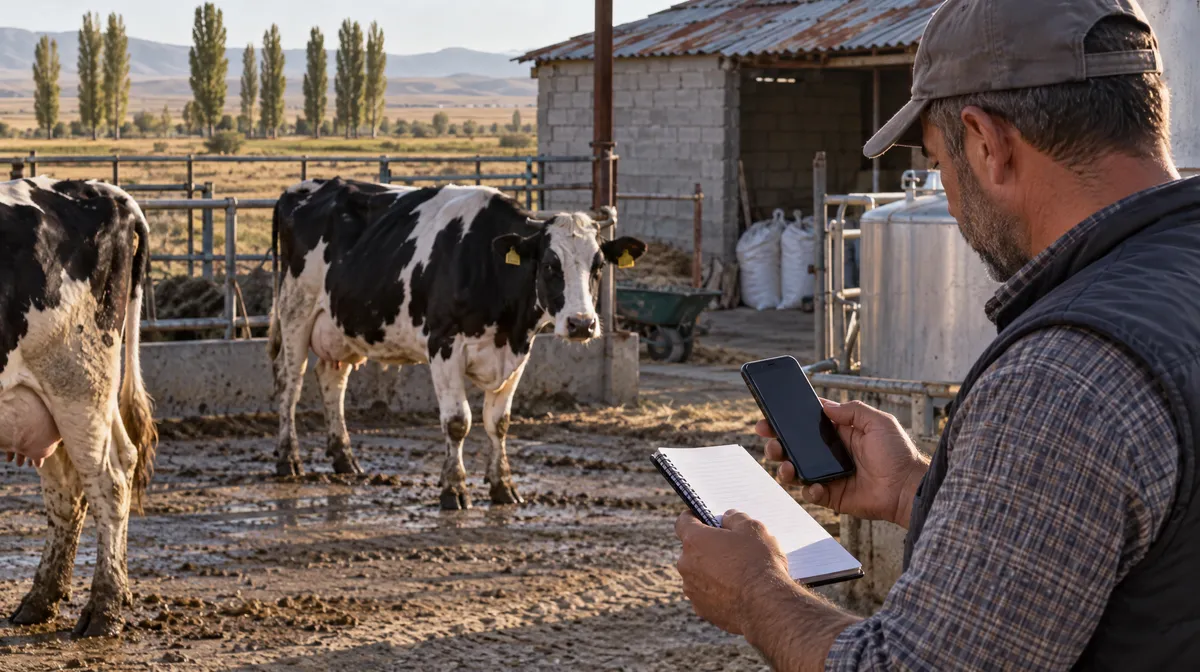
Compiled from open-access scientific sources.
Reference values and basis
| Parameter and basis | Value |
|---|---|
| Buyer | Buyer's name and, for animal sales, phone number |
| Total | Total value of the milk delivery or animal sale |
| Paid so far | Total payments received so far |
| Balance | Sale total minus payments |
| Due date | Agreed payment day, with a reminder |
| Status | Unpaid, partly paid or fully paid |
What counts as money owed to your farm?
Milk delivered or animals sold before payment arrives create a receivable: money owed to your farm. That includes monthly milk payments from the dairy and animals sold on agreed terms to a neighbour or trader. Keep track of all unpaid sales together so you can see how much money you are waiting for. The total is often larger than expected. Knowing when buyers should pay helps you plan feed bills and wages around the money you expect to receive.
How do you track part payments and money still owed?
Note whether each sale is unpaid, partly paid or paid in full. Whenever money arrives, add the amount received and check what remains: the sale total minus all payments so far. Mark the sale as fully paid when the final payment arrives. Updating the figures takes only a few moments and gives you a clear answer to a practical question: who still owes you money, and how much?
When should you agree payment?
Agree the payment date when you make the sale. A clear date gives both sides something to work towards and makes follow-up calls straightforward.
Keep the paperwork
Keep a photo of the receipt, weighbridge ticket or signed note with your sale details, so you can quickly check the amount.
How can reminders help you collect on time?
A phone reminder prompts you to check payment on the agreed day. Check your account, then call the buyer if the money has not arrived, while the delivery is still fresh in mind. Review unpaid sales each week, starting with the oldest. After a few months, you will see which buyers pay promptly and which need shorter payment terms. That history helps you choose whom to sell to and when to expect your money.
How do unpaid sales fit into your cash plan?
Include each unpaid amount in your cash plan for the month when payment is due. Use the agreed date for a reliable dairy, but allow more time for a buyer who regularly pays late. Planning around realistic payment dates gives you a clearer picture of the cash available. You can then time purchases of feed, medicines and equipment for when the money is expected to arrive.
Questions from the farm
What is the difference between unpaid and partly paid?
Unpaid means you have received no money yet. Partly paid means you have received some, but the buyer still owes the rest.
When should I agree the payment date?
Agree the date with the buyer when you make the sale, so you both know when payment is due.
How often should I check unpaid sales?
Check once a week, starting with the oldest unpaid amount.
Does a fully paid sale show in my income?
Yes. Once you mark the sale as paid, it appears in your income.
How HerdMobile helps
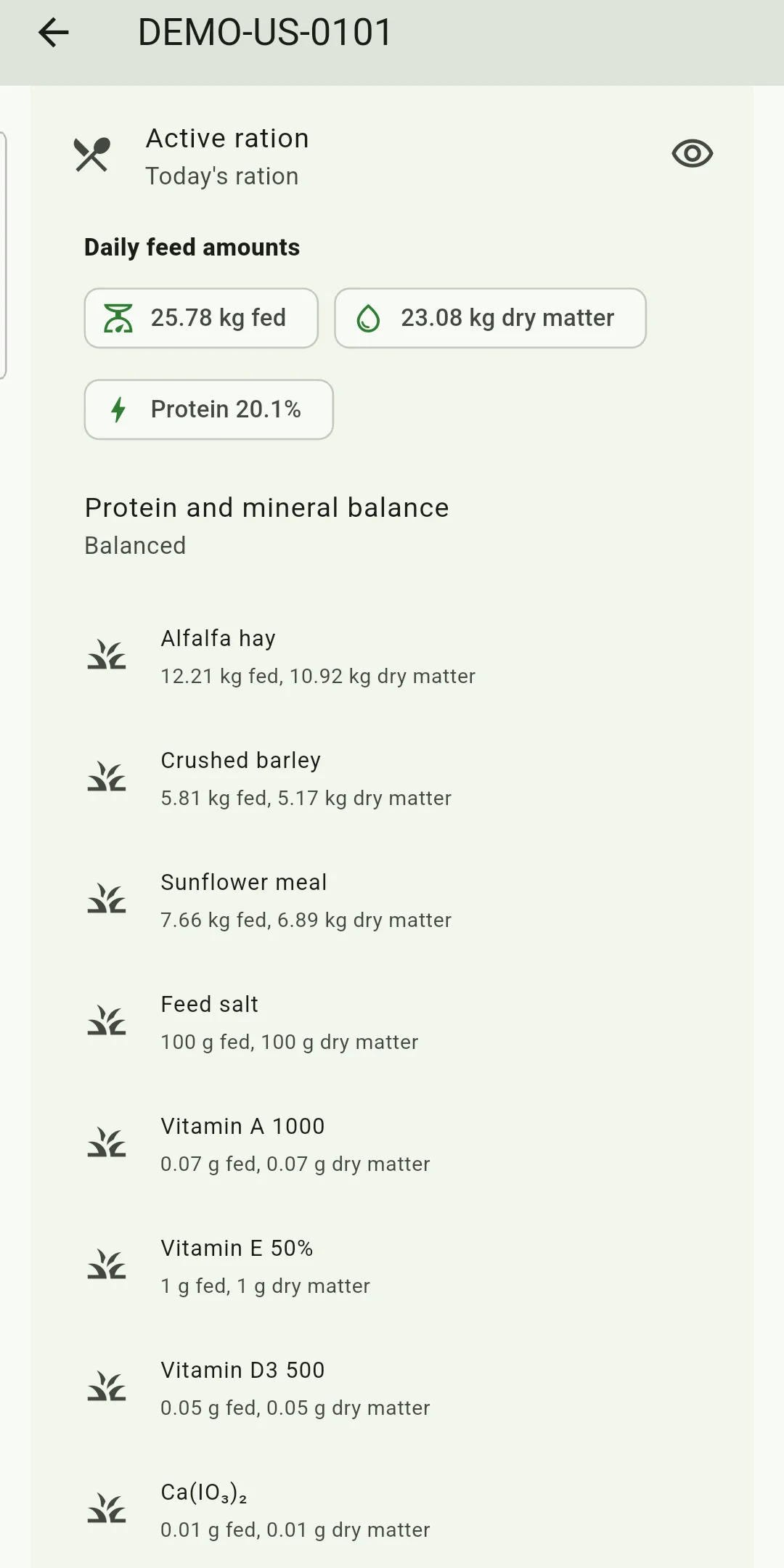
Bring your animals, feed stocks and farm accounts together on your Android phone. HerdMobile keeps your daily work moving offline: record events, compare feed quantities and follow sales and payments in one place. Use your own feeds and herd information to prepare a ration, then keep a backup file under your control.
HerdMobile helps you track money owed from milk and animal sales and the payments you receive, so you can follow up with a clear view of what remains unpaid. Keeping sales and collections together on your phone makes it easier to plan bills around the money coming in.

Sources
Continue reading
- Milk sales and payments: track every delivery
- Culling decisions: five checks before a cow leaves
- Feed cost per head: start from weighed amounts
- Farm record keeping: a routine you can keep up
- Farm finance: track sales, payments and feed costs
- Breed profiles: milk fat and protein by breed
- Feed library: compare nutrients and dry matter