Monthly farm cash plan: spot shortfalls early
A monthly farm cash plan shows what you expect to receive, what you must pay and how much money remains each month. Start with last year's figures. Include money owed when payment is due, then add feed bills, wages and loan payments in their due months. Carry the balance forward to spot tight months before they arrive.
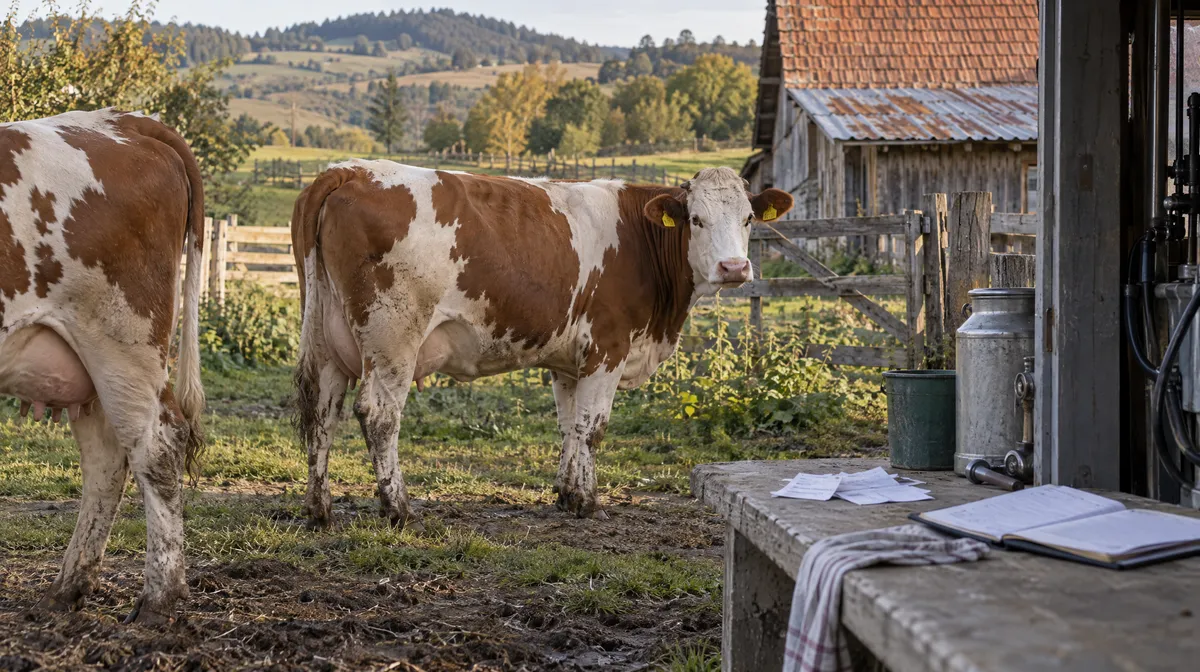
Compiled from open-access scientific sources.
Reference values and basis
| Parameter and basis | Value |
|---|---|
| Opening balance | Cash at the start of the month |
| Milk income | Expected litres multiplied by expected price |
| Animal sales | Planned sales and money still owed, by payment date |
| Feed and inputs | Daily feed cost times days, plus planned purchases |
| Fixed costs | Wages, rent, energy, loan instalments |
| Closing balance | Opening plus income minus expenses |
Why does your farm need a cash plan?
A cash plan shows whether money will be available when bills fall due. Farm costs continue every day, while milk payments usually arrive monthly and animal sales are often seasonal. Put each payment in the month you expect it, then work out how much cash remains. Seeing a shortfall weeks ahead gives you time to bring forward a sale, agree a different payment date or buy feed in smaller loads.
How do you use farm figures to build a cash plan?
Plan twelve months, starting with the money you expect to receive. Use milk deliveries and prices to estimate milk income, add planned animal sales, then include outstanding payments when they are due. Next add feed costs, wages, energy, rent, medicines and loan instalments in the months you will pay them. For each month, add income to your starting cash and subtract expenses to find the closing balance. Last year's figures give you a practical starting point; update them with the new year's prices.
When will buyers pay you?
Plan for a reliable buyer's payment in the month it is due. Allow one month extra for a slow payer so your cash forecast stays realistic.
When are bills due?
Mark major payments first: winter feed purchases, animals bought for Eid fattening and loan instalments. Then add the smaller bills around those dates.
What can you do about a cash shortfall?
A negative closing balance means you need to change when money comes in or goes out. You could sell an animal earlier, collect money owed sooner, split a feed purchase into two orders or ask a supplier for more time to pay. Compare the cost and benefit of each option using your farm figures. Trying the changes on paper helps you choose before you commit.
How do you update a cash plan?
Check your cash plan at every month end by comparing expected income and expenses with what actually happened. Note the largest difference, then update the coming months for a changed milk price, delayed payment or unexpected treatment cost. After a few months, the plan gives you a more accurate picture than memory alone, and the monthly check takes ten minutes.
Questions from the farm
How far ahead should the plan look?
Plan twelve months ahead, with the most detail for the next three months.
Where should I get my starting figures?
Start with last year's income and expenses, plus money buyers still owe you.
How often should I update the plan?
Update it at each month end, using your actual figures.
What if a month shows a cash shortfall?
Bring a sale forward, collect money owed or stagger a feed purchase, then check the figures again.
How HerdMobile helps
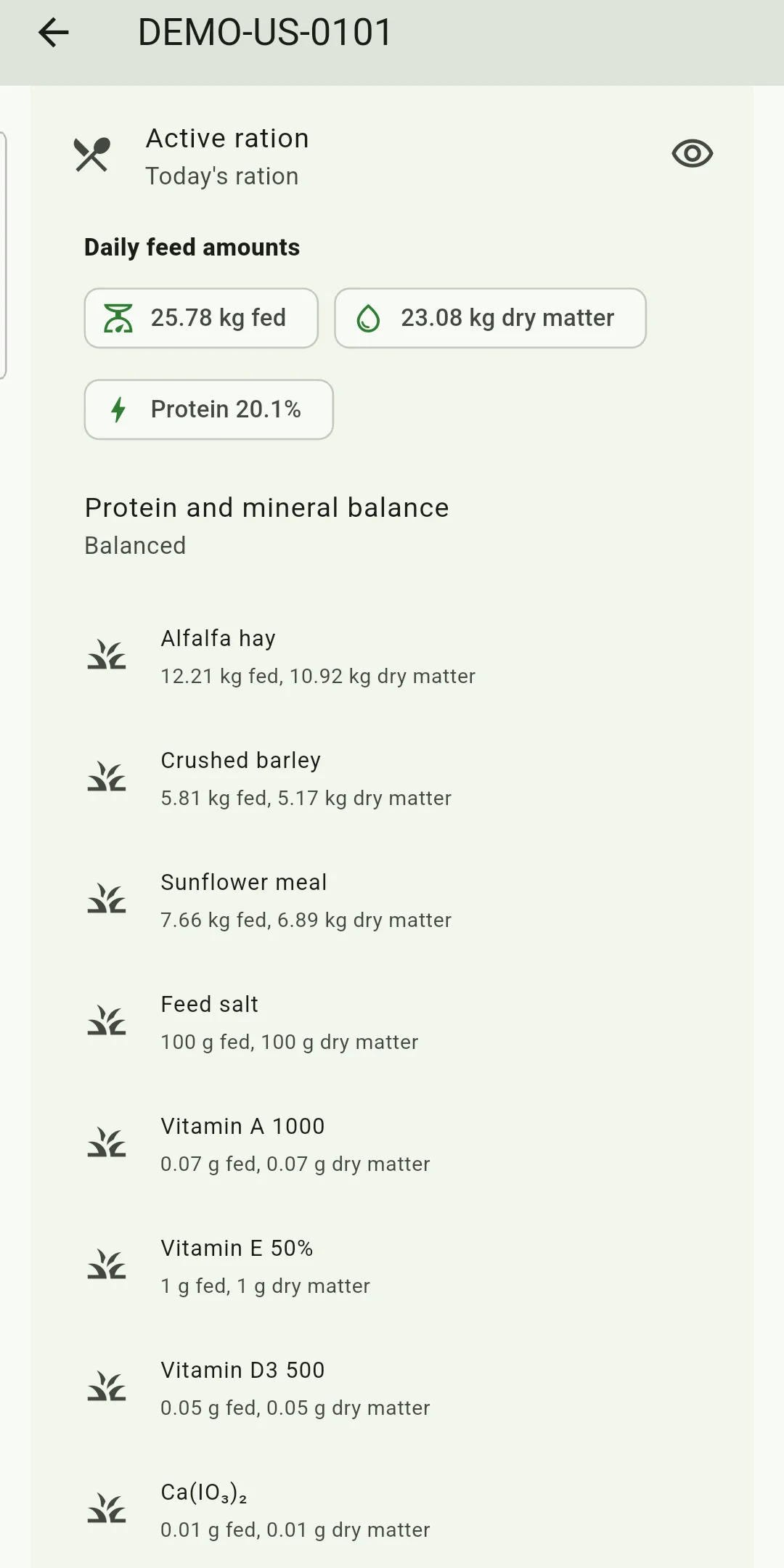
Bring your animals, feed stocks and farm accounts together on your Android phone. HerdMobile keeps your daily work moving offline: record events, compare feed quantities and follow sales and payments in one place. Use your own feeds and herd information to prepare a ration, then keep a backup file under your control.
HerdMobile helps you see farm income, expenses and what is left over. Track payments for milk and animal sales, see what buyers still owe and get reminders when payment is due. Use those figures to build your monthly cash plan.

Sources
Continue reading
- Buying and selling animals: keep each deal clear
- Profit per animal: calculate what each one earns
- Feed cost per head: start from weighed amounts
- Winter feeding starts with forage and water
- Farm record keeping: a routine you can keep up
- Farm finance: track sales, payments and feed costs
- Breed profiles: milk fat and protein by breed
- Feed library: compare nutrients and dry matter